A Beginner’s Guide to Cleaning and Storing Fish Bought from the Market
 |
| A Beginner’s Guide to Cleaning and Storing Fish Bought from the Market |
There’s nothing quite like bringing home a fresh catch from your local fish market — the vibrant displays, the ocean-fresh aroma, and the promise of a delicious home-cooked meal. But here’s the thing: buying the fish is only half the journey. Knowing how to clean, store, and handle it properly can make all the difference between a melt-in-your-mouth seafood experience and a disappointing meal that loses its freshness too soon.
If you’re new to the world of handling fresh fish, don’t worry. This guide will walk you through every step, from cleaning your fish safely to storing it so it stays as fresh as the moment you bought it.
Step 1: Start with the Right Fish
Before we even touch on cleaning, the quality of your fish matters the most. When shopping at your fish market, always look for these signs of freshness:
Bright, clear eyes: Cloudy or sunken eyes usually mean the fish has been sitting for a while.
Firm flesh: Gently press the fish — if it bounces back, it’s fresh.
Shiny skin and scales: Dullness often indicates age.
Fresh, ocean-like smell: A fishy or sour odor is a red flag.
Step 2: Cleaning Your Fish Like a Pro
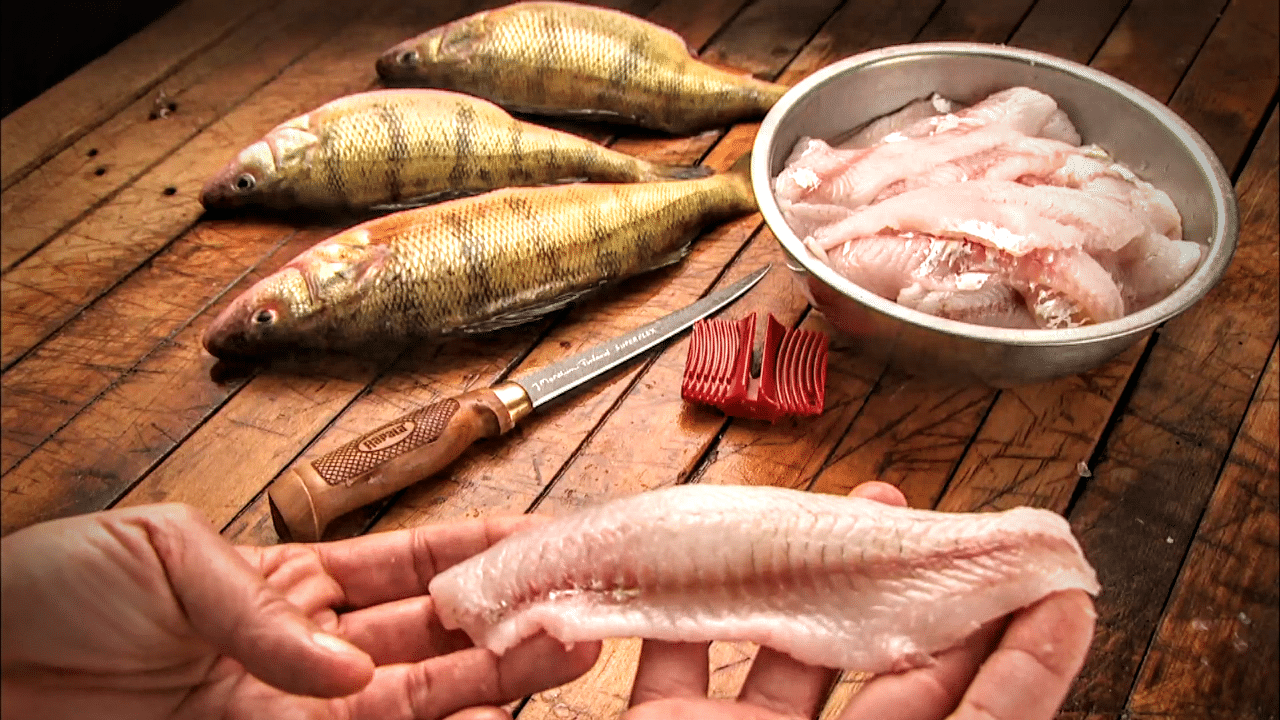
Cleaning fish might sound intimidating, but it’s really just about getting into a rhythm. Here’s a straightforward method:
Rinse it off: Start by rinsing your fish under cold running water to remove any surface debris or slime.
Scale the fish: Hold the fish firmly by the tail and scrape from tail to head with the back of a knife or a fish scaler. Do this over the sink to minimize mess.
Remove the guts: Insert your knife gently into the belly near the tail and make a shallow cut up toward the head. Carefully pull out the entrails with your fingers or a spoon.
Clean the cavity: Rinse the inside thoroughly to remove any leftover blood or residue.
Trim fins (optional): Some prefer to trim the fins with kitchen scissors for easier handling.
If this feels like too much for your first time, you can always ask your fishmonger to gut and scale the fish for you — most will happily do it at no extra cost.
Step 3: Drying and Preparing for Storage
Once cleaned, the next step is to pat the fish completely dry. Excess moisture can cause bacteria to grow faster and affect flavor. Use paper towels or a clean kitchen cloth, especially around the cavity and fins.
If you’re planning to cook the fish the same day, simply place it on a plate, cover it with cling film, and refrigerate it. But if you’re storing it for later, the process requires a bit more care.
Step 4: Storing Fish in the Refrigerator
Fresh fish is best enjoyed within one to two days, but you can maximize freshness by following these storage steps:
Use airtight containers: Store your fish in a resealable plastic bag or wrap it tightly in wax paper or aluminum foil.
Keep it cold: Place the wrapped fish on a bed of crushed ice in a shallow dish, and put it on the coldest shelf of your fridge (usually the bottom).
Change the ice daily: This helps maintain a consistently low temperature.
Avoid overcrowding: Let air circulate around the fish to keep it from developing unpleasant odors.
You’ll notice that properly stored fish can stay fresh, firm, and flavorful for up to 48 hours.
Step 5: Freezing for Long-Term Storage
If you bought extra fillets or whole fish that you won’t be cooking right away, freezing is your best bet. Here’s how to do it right:
Pre-freeze the fish: Lay fillets or cleaned whole fish on a tray in a single layer and freeze for about an hour. This helps prevent them from sticking together later.
Wrap it tight: Use plastic wrap, vacuum-sealed bags, or freezer-safe zip locks. Try to remove as much air as possible.
Label and date: Write the type of fish and the date before freezing.
Storage time: Most fish can last up to three months in the freezer without losing quality.
When you’re ready to cook, never thaw fish at room temperature — instead, place it in the fridge overnight or submerge it (still sealed) in cold water.
Step 6: Avoid Common Mistakes
Even with the best intentions, a few common slip-ups can ruin your seafood. Watch out for these:
Leaving fish out too long: Bacteria multiply fast, even in mild temperatures.
Rinsing before freezing: This can cause ice crystals to form, affecting texture.
Using hot water to thaw: This partially cooks the fish and affects flavor.
Over-seasoning before storage: Salt can draw moisture out and dry out the flesh.
Step 7: A Final Freshness Check Before Cooking
Right before you cook, give your fish a quick inspection. It should still smell clean, not sour or “fishy.” The flesh should feel firm, and there should be no discoloration. If anything feels off, trust your instincts — it’s better to skip a meal than risk food poisoning.
Conclusion: From Market to Table, the Fresh Way
Cleaning and storing fish properly isn’t just a skill — it’s an art that ensures you get the best flavor, texture, and safety from your seafood. The next time you visit your local fish market, you’ll know exactly how to handle your purchase from start to finish. With just a little care and technique, you can enjoy restaurant-quality freshness right from your own kitchen.
Want to learn more about how to choose the best catch before you even start cleaning? Don’t miss our in-depth guide — The Ultimate Guide to Fish Markets: Freshness, Sustainability, and Buying Tips.


Comments
Post a Comment