Top 7 Types of Fish You Should Buy from Your Local Fish Market
 |
| Top 7 Types of Fish You Should Buy from Your Local Fish Market |
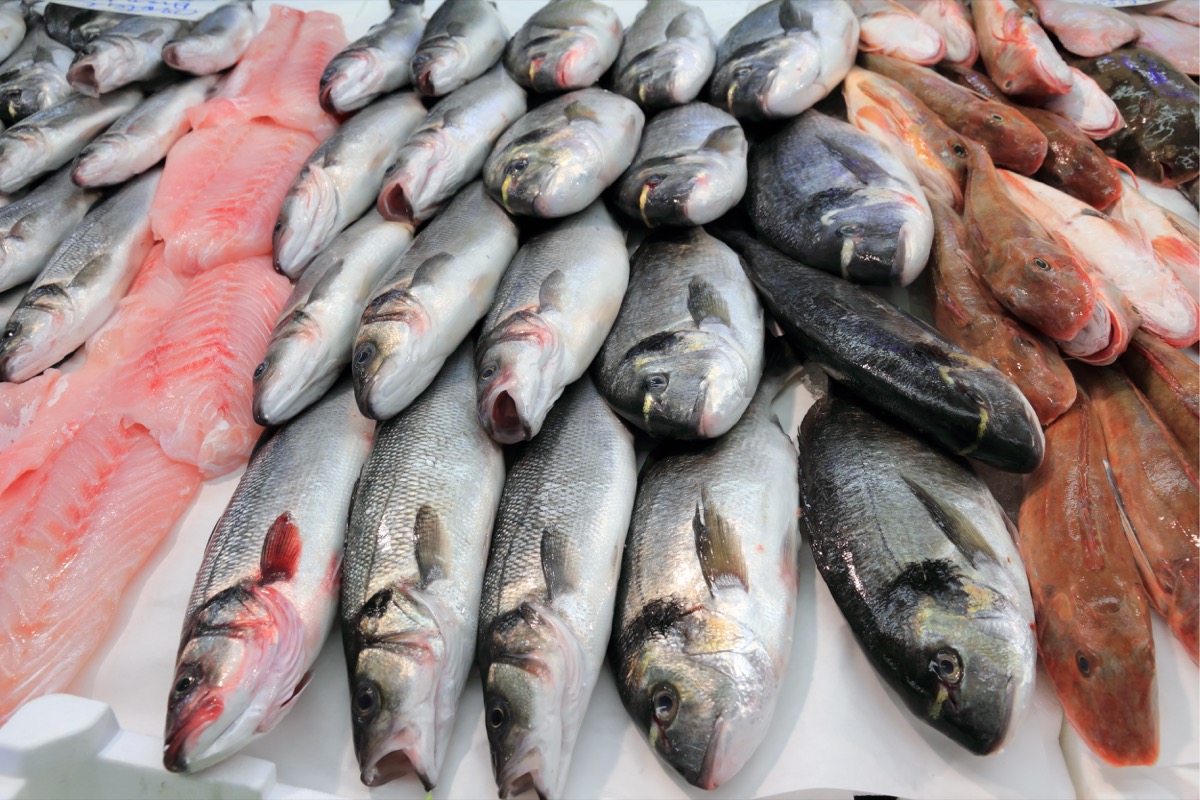
There’s something almost magical about walking into a fish market—the glistening rows of fresh catches, the salty aroma in the air, and the energy of people who truly love good seafood. Whether you’re a seasoned cook or just starting to experiment with fish dishes, knowing which types to buy locally can make all the difference in flavor, texture, and even sustainability.
Buying from your local market not only ensures freshness but also supports small-scale fishermen who bring their best catches straight from the ocean (or river) to your plate. But with so many options staring back at you, how do you know which ones are worth your money? Let’s dive into the seven best types of fish you should pick up from your local market—and why they deserve a spot in your kitchen.
1. Salmon – The Versatile Favorite
Salmon is the superstar of seafood. Known for its rich, buttery flavor and high omega-3 content, it’s one of the healthiest choices you can make. When you buy it fresh from your local fish market, you’ll notice the difference immediately—the flesh should be bright and firm, with no dull or grey patches.
Fresh salmon is incredibly versatile: grill it, bake it, or pan-sear it with a splash of lemon and herbs. You can even cure it at home for homemade gravlax. Look for wild-caught salmon if available—it’s more flavorful and often more sustainable than farmed varieties.
2. Mackerel – The Hidden Nutrient Powerhouse
Mackerel often flies under the radar, but it shouldn’t. This oily fish is loaded with healthy fats, protein, and vitamins like B12 and D. It’s also budget-friendly, making it a fantastic choice for those who want quality seafood without spending a fortune.
When buying mackerel, look for bright, clear eyes and shiny skin. Fresh mackerel has a distinct oceanic smell that’s clean, not fishy. It’s perfect for smoking, grilling, or even turning into a flavorful curry. Bonus: it’s one of the most sustainable fish options around.
3. Snapper – The Mild and Meaty Catch
Snapper is a crowd-pleaser for good reason. With its mild, slightly sweet taste and firm texture, it works beautifully in almost any recipe. Red snapper is especially popular, but depending on where you live, you might find local varieties that are equally delicious.
Your local fish market is the best place to get fresh snapper—supermarkets often sell frozen fillets that lack the same texture and flavor. Try it roasted whole with herbs and garlic, or pan-fried with a crispy skin for a restaurant-style meal at home.
4. Pomfret – The Coastal Classic
If you live near the coast, pomfret (or butterfish) is likely a staple at your local market. This silvery fish has tender, white flesh that’s perfect for frying or steaming. It’s particularly beloved in South and Southeast Asian cuisines for its subtle sweetness and ability to absorb spices beautifully.
Ask your vendor for the freshest catch of the day—pomfret tends to spoil quickly, so freshness is key. A quick tip: marinate it with turmeric, salt, and lemon juice before cooking to bring out its delicate flavors.
5. Tuna – The Protein-Rich Performer
Few fish are as adaptable as tuna. From juicy steaks on the grill to delicate sashimi slices, tuna is a versatile favorite worldwide. Fresh tuna from a fish market has a deep red color and a clean, meaty aroma. Avoid any that looks brownish or smells too strong.
For those who love a hearty meal, try searing tuna steaks with a sesame crust—it’s satisfying without feeling heavy. Remember to buy from sources that prioritize sustainable fishing to help protect tuna populations.
6. Sardines – Small Fish, Big Benefits
Sardines are proof that good things come in small packages. They’re rich in calcium, iron, and omega-3s, making them a nutritional powerhouse. When you buy them fresh, their flavor is far superior to the canned versions most people are used to.
Fresh sardines are great grilled with olive oil and lemon or tossed in pasta for a quick Mediterranean-style dish. They’re also one of the most environmentally friendly fish to consume, as they reproduce quickly and are abundant in many regions.
7. Catfish – The Freshwater Favorite
For those who prefer freshwater fish, catfish is a fantastic option. Its mild, slightly sweet flavor and firm texture make it ideal for frying, baking, or stewing. It’s particularly popular in southern-style cooking but adapts well to various cuisines.
When buying catfish, check for a mild scent and firm flesh. Freshly caught catfish from a fish market will always have a cleaner, more natural flavor than frozen or farm-raised alternatives.
A Few Bonus Tips for Buying Fish
Check the eyes: They should be clear and bright, not cloudy.
Smell the fish: Fresh fish smells like the sea, never sour or ammonia-like.
Look at the gills: They should be red or pink, not brown.
Ask your fishmonger: Local vendors often know which fish are freshest or in season.
Buying locally caught fish not only gives you better quality but also helps reduce your carbon footprint. It supports local fishermen, encourages sustainable fishing practices, and ensures you’re getting fish that hasn’t traveled halfway around the world before hitting your plate.
Conclusion: Fresh, Local, and Flavorful
At the end of the day, the best fish you can buy is the one that’s fresh, responsibly caught, and suited to your cooking style. Your local fish market is more than just a place to buy seafood—it’s a community hub where freshness, sustainability, and tradition come together.
Next time you’re planning a seafood dinner, skip the supermarket freezer and visit your neighborhood market instead. You’ll not only taste the difference but feel good knowing you’re supporting local livelihoods and choosing a more sustainable way to eat.
If you’re curious about how to choose, store, and prepare your seafood for maximum freshness, check out The Ultimate Guide to Fish Markets: Freshness, Sustainability, and Buying Tips — it’s the perfect next read to help you become a confident, conscious seafood shopper.


Comments
Post a Comment