Best Cooking Methods for Fresh Fish from the Market: Grilling, Baking, and More
 |
| Best Cooking Methods for Fresh Fish from the Market: Grilling, Baking, and More |
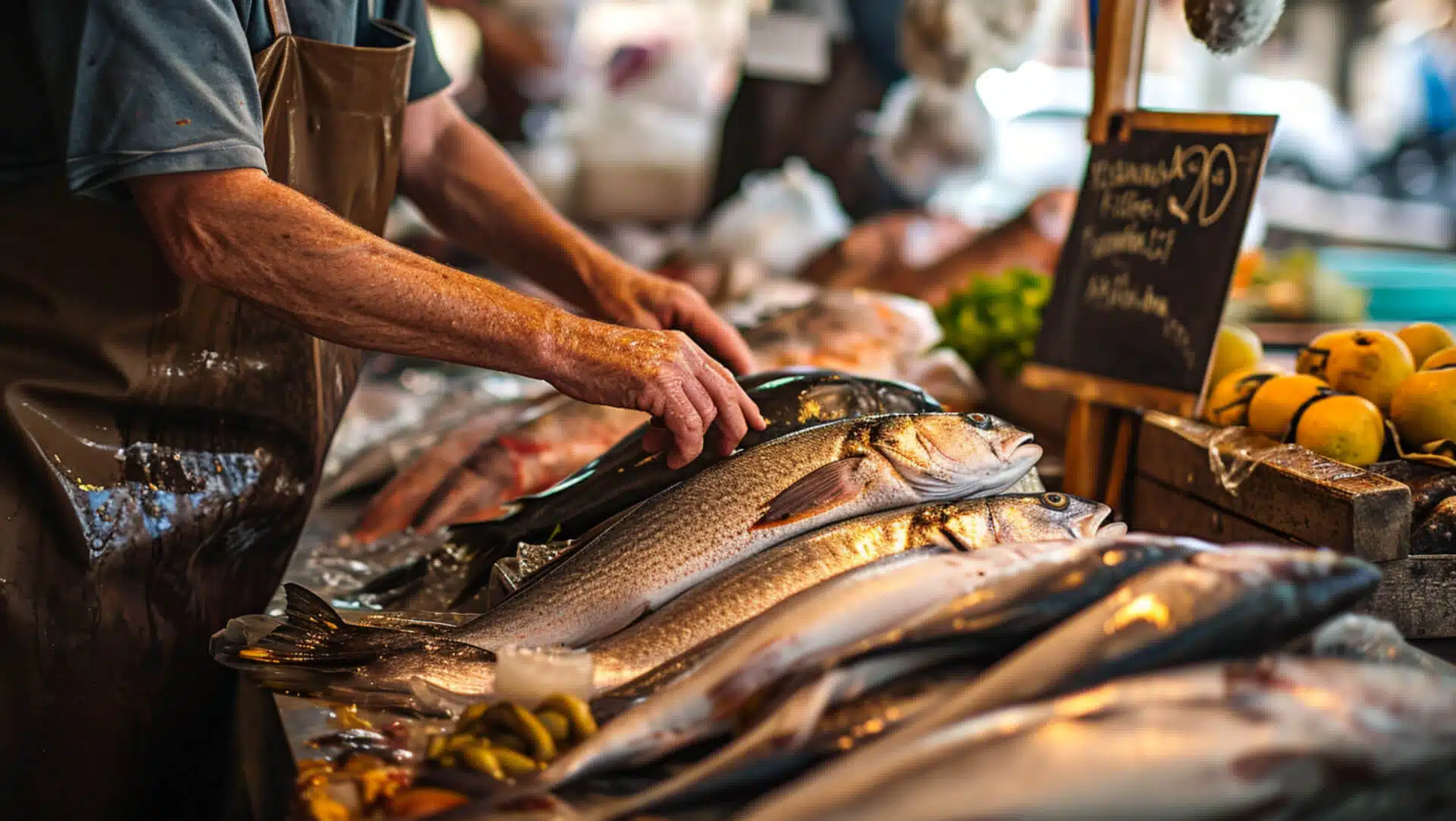
When you bring home beautiful fish from the fish market, the next big question is—how do you cook it in a way that keeps the natural flavors alive? Fish is delicate, and unlike meat, it reacts differently to heat. A great cooking method can turn a simple fillet into something unforgettable, while the wrong approach can dry it out before you know it. So, instead of overthinking things, let’s break down the best and most reliable ways to cook fresh fish—whether you’re craving smoky char, buttery tenderness, or something crisp and pan-seared.
Why the Cooking Method Matters
Different types of fish react to heat in different ways. Fatty fish like salmon and mackerel love high heat, while mild white fish—from cod to snapper—benefit from gentle cooking. There’s no one-size-fits-all rule, which is actually the fun part. Using the right method brings out textures and flavors that make each fish shine.
1. Grilling — For Smoky, Charred Flavor
Grilling gives fish a bold, smoky personality that’s hard to beat. It’s ideal for firm fish that won’t fall apart on the grates—think tuna, swordfish, salmon steaks, or even whole fish.
Tips for perfect grilled fish:
Brush oil on both the fish and grill grate to prevent sticking.
Keep the skin on when possible—it protects the meat.
Grill over medium-high heat, turning only once.
A quick squeeze of lemon after grilling makes everything come alive.
If the fish is a bit more delicate (like tilapia), using a foil packet with herbs, garlic, and butter keeps it moist while still giving it that smoked aroma.
2. Baking — The Easiest, Most Fool-Proof Technique
If you’re nervous about overcooking fish, baking is the hero method. The low-and-slow heat makes it almost impossible to ruin the texture.
Why baking works so well:
Gentle cooking protects moisture.
Great for mild fish like cod, halibut, sole, or basa.
Simple to customize with seasonings, sauces, and marinades.
A 12–15 minute bake at around 375°F (190°C) usually delivers tender flakes. You can go minimal with olive oil and herbs or layer flavors with lemon butter, tomato garlic sauce, or even something spicy like Cajun seasoning.
3. Pan-Searing — For a Crisp, Golden Crust
Pan-searing is all about contrast—crispy skin and soft, flaky flesh. A non-stick or cast-iron skillet can turn fish into a restaurant-quality dish in minutes.
Quick pan-searing tricks:
Dry the fish thoroughly before seasoning.
Use high heat and just a splash of oil.
Press down gently for the first 20 seconds to keep it flat.
Don’t flip too soon—wait for a golden crust to form.
This method works beautifully with snapper, sea bass, trout, and even salmon fillets. Serve it with butter-lemon sauce or garlic herb butter, and it’s game over (in a good way).
4. Steaming — When Light, Clean Flavor Is the Goal
Steaming suits those times when you want something nourishing, delicate, and easy on the stomach. It preserves moisture and nutrients better than almost any other cooking method.
Best choices for steaming:
Tilapia
Sole
Haddock
Flounder
To keep it flavorful and not bland, steam with aromatics like ginger, scallions, pepper, lime leaves, or cilantro. A drizzle of soy-sauce-based dressing afterward makes it incredibly satisfying.
5. Poaching — Soft, Silky, Restaurant-Style Fish
Poaching is underrated, but once you try it, you’ll get why chefs swear by it. Cooking fish gently in liquid gives it a buttery soft texture without making it mushy.
Good liquids for poaching:
Vegetable or seafood stock
Wine with herbs
Milk with garlic and pepper
Coconut milk for tropical flavor
A low simmer—not a boil—is crucial. Even lean fish stays moist with this method.
6. Air Frying — Crispy Texture Without Heavy Oil
For anyone who loves fried fish but doesn’t love the grease, air frying is the middle ground.
Why it works:
Uses very little oil
Great for fillets, fish sticks, and breaded fish
Creates a crunchy outer layer without deep frying
Tip: Lightly mist the fish with oil and don’t overcrowd the basket for the best crunch.
Seasonings That Never Fail with Fish
You don’t need to get fancy—fish tastes incredible with simple flavor boosters:
Lemon or lime
Fresh herbs (dill, parsley, basil, thyme)
Garlic and butter
Smoked paprika or Cajun seasoning
Olive oil + black pepper + sea salt
When the fish is fresh, less is often more.
Final Thoughts
If you’re lucky enough to get truly fresh seafood from the fish market, the best thing you can do is choose a cooking method that respects its natural flavor and texture. Whether you prefer bold and smoky, buttery and tender, or crispy and savory, there’s a method that brings out the best in every type of fish. With just a few simple techniques, you’ll start cooking fish with confidence—not hesitation.
If you’re still learning how to shop for fish like a pro, don’t miss this deep dive: The Ultimate Guide to Fish Markets: Freshness, Sustainability, and Buying Tips


Comments
Post a Comment