How Grocery Delivery Services Ensure Food Safety and Quality?
 |
| How Grocery Delivery Services Ensure Food Safety and Quality? |
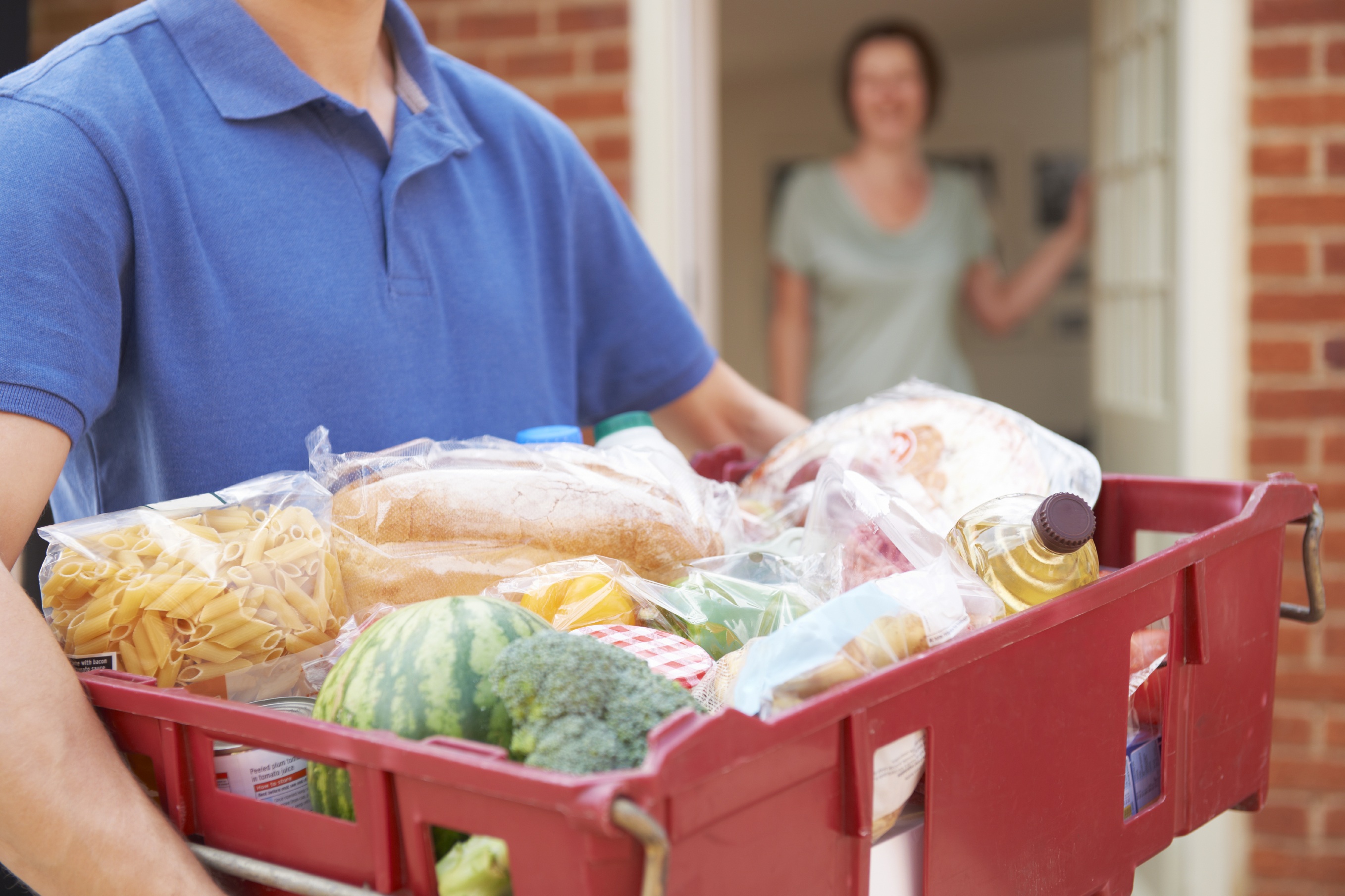
Ordering groceries online has gone from being a “nice-to-have” to something many households genuinely rely on. It saves time, reduces stress, and makes weekly planning easier. Still, one question lingers for first-time users and regular customers alike: How do grocery delivery services make sure the food arriving at your door is safe, fresh, and high quality?
It’s a fair concern. After all, you’re trusting someone else to pick your produce, handle your meat, and transport everything safely. The good news is that modern grocery delivery systems are built around food safety at every stage. Let’s take a closer look at how they actually do it.
Strict Supplier and Product Standards
Food safety begins long before an order is placed. Most grocery delivery platforms work only with approved suppliers who meet local and national food safety regulations. Fresh produce, dairy, seafood, and meat are sourced from vendors that follow proper handling, storage, and inspection protocols.
Before items ever reach a warehouse or store shelf, they’re checked for freshness, packaging integrity, and expiration dates. This front-end quality control reduces the chances of spoiled or unsafe products entering the delivery pipeline.
Temperature-Controlled Storage
One of the biggest challenges in grocery delivery is temperature management. Perishable foods can’t sit at room temperature for long without risk. To address this, delivery services rely on temperature-controlled environments throughout the process.
Cold items like milk, cheese, frozen foods, and meat are stored in refrigerated or frozen zones. These areas are monitored constantly, often with automated sensors that alert staff if temperatures drift outside safe ranges. Dry goods, on the other hand, are kept in clean, climate-stable storage to prevent contamination or spoilage.
Trained Pickers Who Know What to Look For
Contrary to what some people assume, grocery picking isn’t a random process. Many delivery services train their staff to recognize signs of freshness and quality. That means checking produce for bruises, selecting meat with proper color and marbling, and avoiding dented or damaged packaging.
Pickers are also trained to follow “first in, first out” practices, choosing items with the furthest expiration dates unless the customer specifies otherwise. It’s a human process, and yes, it’s not always perfect—but it’s far more intentional than many realize.
Hygienic Handling and Packaging
Food safety isn’t just about freshness; it’s also about cleanliness. Delivery services emphasize hygiene during packing and handling. Workers often use gloves when handling fresh foods, sanitize work surfaces regularly, and separate raw items from ready-to-eat foods.
Raw meats, seafood, and poultry are typically sealed in leak-proof packaging and bagged separately to prevent cross-contamination. Produce may be packed on its own, while household items are kept apart from food altogether.
Smart Packing for the Last Mile
The final stretch—transport from store or warehouse to your home—is where many people worry the most. This “last mile” is carefully planned to maintain food safety. Insulated bags, thermal liners, and ice packs help keep cold items within safe temperature ranges during transit.
Delivery routes are optimized to reduce travel time, especially for orders containing perishables. Shorter delivery windows mean food spends less time outside controlled environments, lowering the risk of spoilage.
Real-Time Tracking and Accountability
Technology plays a huge role in quality assurance. Customers can often track their orders in real time, while internal systems monitor delivery timing and handling conditions. If something goes wrong—like a delay or temperature issue—it’s logged and reviewed.
This level of visibility creates accountability. Drivers, pickers, and managers all know that quality issues can be traced back and addressed, which encourages careful handling at every step.
Quality Checks and Customer Feedback
Many grocery delivery services perform random quality audits, checking completed orders for accuracy, freshness, and proper packing. These internal reviews help identify patterns and fix weak points in the process.
Customer feedback also matters more than people realize. Reports of damaged produce, spoiled items, or missing products often trigger refunds or replacements—but they also help improve future service. Over time, this feedback loop raises overall quality standards.
Localized Care for Community Needs
In areas like grocery delivery in Carmel Indiana, services often tailor their operations to local expectations and sourcing. Regional suppliers, familiar seasonal produce, and shorter delivery distances all contribute to better food quality. Local knowledge helps teams understand what customers value most and how to deliver it safely.
Continuous Improvement Behind the Scenes
Food safety isn’t a “set it and forget it” process. Delivery services regularly update protocols based on new regulations, customer behavior, and industry research. From improved packaging materials to better temperature monitoring tools, the system evolves constantly.
If you’re curious about how delivery fits into smarter shopping habits overall, you might find value in exploring The Ultimate Guide to Grocery Delivery: Convenience, Savings, and Smart Shopping Tips, which breaks down the bigger picture behind modern grocery services.
Conclusion
Grocery delivery works because food safety and quality aren’t afterthoughts—they’re the foundation. From vetted suppliers and trained staff to temperature control and real-time monitoring, every step is designed to protect what you eat.
While no system is flawless, today’s grocery delivery services are far more robust than many people assume. With the right processes in place, having fresh, safe food delivered to your door isn’t just convenient—it’s reliable, too.


Comments
Post a Comment