Understanding Fish Labels and Grades at the Market: What They Really Mean?
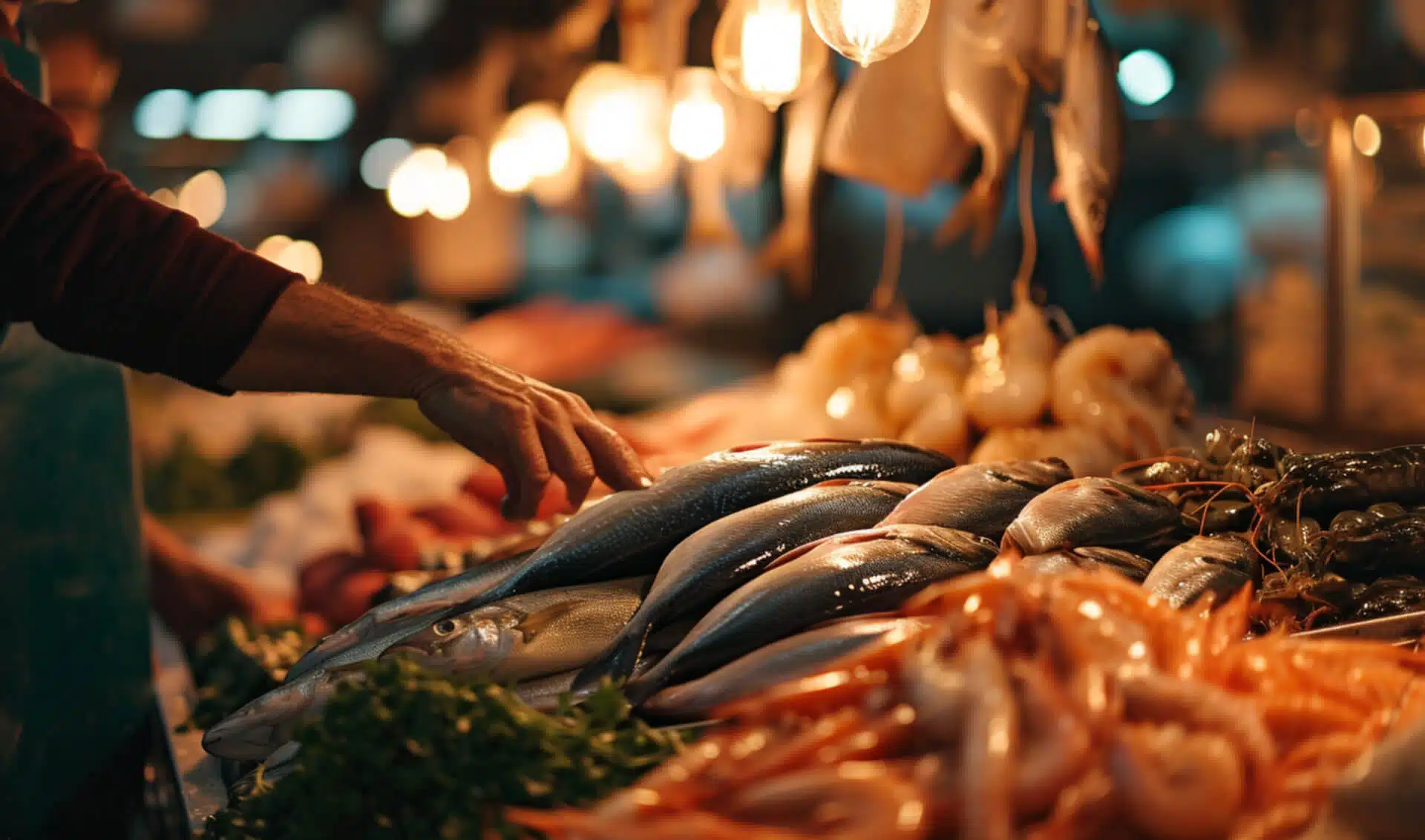 |
| Understanding Fish Labels and Grades at the Market: What They Really Mean? |
If you’ve ever stood in front of a seafood counter trying to make sense of all the labels, you’re not alone. “Wild-caught,” “Sushi-grade,” “Fresh-frozen,” “Farm-raised,” “Sustainably sourced”—it can feel like alphabet soup. You want to take home the best fish, but with all this terminology, the buying decision becomes a lot more complicated than intended. The truth is, fish labels and grading systems exist for good reasons: safety, quality, sustainability, and traceability. But knowing how to decode them makes the shopping experience way easier and helps you get what you’re really paying for.
To make things simple, this guide breaks down the most common fish labels and what they actually mean so you can shop smarter every time you head to the fish market.
Fresh vs. Previously Frozen — What’s Better?
A lot of shoppers assume “fresh” must be better than frozen. That’s not always the case.
Fresh: This means the fish has never been frozen. But “fresh” doesn’t guarantee quality if the fish has been sitting on ice for too long. Fresh is only superior when handled quickly after catching.
Previously Frozen: Fish that was frozen shortly after being caught and then thawed before reaching the store. In many cases, this can actually be fresher than so-called fresh fish because freezing locks in peak quality.
If you live far from coastal regions, previously frozen seafood might be the safest and highest-quality option.
Wild-Caught vs. Farm-Raised — The Real Differences
Some buyers swear by wild-caught fish; others prefer farm-raised due to price and availability. Here's a clearer view:
Wild-Caught: Harvested from oceans, lakes, and rivers. Flavor can be richer and more distinct, but quality depends heavily on fishing practices and region.
Farm-Raised: Raised in controlled environments. More consistent in taste and texture, usually more affordable, and available year-round.
Neither is inherently “better.” It comes down to preference, nutrition, sustainability, and budget.
What “Sushi-Grade” or “Sashimi-Grade” Really Means
This label sounds official, but here’s the catch: there’s no globally standardized certification for sushi-grade fish.
In most markets, it simply means the supplier followed safety standards that make the fish safe to eat raw, including flash-freezing at ultra-low temperatures to eliminate parasites.
If you’re planning to make poke bowls or sashimi at home:
Buy from a reputable seller.
Ask when the fish was frozen and thawed.
Use it the same day.
Understanding Sustainability Labels
Eco-labels help consumers support responsible fishing practices — but they’re not all equal. Here are a few commonly seen certifications:
Certification What It Indicates
MSC (Marine Stewardship Council) Wild-caught seafood from responsibly managed fisheries
ASC (Aquaculture Stewardship Council) Farm-raised seafood meeting environmental and welfare standards
BAP (Best Aquaculture Practices)Covers sustainability, food safety, animal health, and traceability
If you want to support ocean conservation while shopping, sustainability labels are worth paying attention to.
Grading Systems — Restaurant vs. Retail
The seafood industry uses grading to evaluate quality, mostly based on freshness, handling, appearance, and texture.
Grade A: Highest quality — firm flesh, vibrant color, fresh smell. Often sold to restaurants.
Grade B: Slightly lower aesthetic quality but still completely safe and tasty. Available in most stores.
Grade C: Usually processed into canned or prepared foods.
When buying fillets at the counter, even if grades aren’t listed, you can ask the fishmonger what quality grade you’re looking at. Trust your senses too — smell and appearance never lie.
How to Choose Smartly at the Counter
When you're unsure, a quick conversation with the fishmonger goes a long way. Consider asking:
When was this fish caught?
Was it frozen at any point?
Where did it come from?
Is it sushi-safe if eaten raw?
Do you recommend a cooking method for this cut?
Good seafood sellers appreciate informed customers — and they’ll gladly guide you.
Final Thoughts
Fish labels and grading aren’t meant to confuse you — they’re tools to help you buy better, safer, and more sustainable seafood. Once you understand what each label means, you can match your purchase with your needs, whether you're chasing peak flavor, affordability, environmental responsibility, or the best pick for raw dishes.
So next time you’re browsing the fish market, don’t hesitate to take a minute to read the labels. With a little knowledge, you’ll walk away with seafood you feel confident about — and proud to cook.
If you want to dive deeper into seafood shopping, storage, and cooking, check out this helpful resource: The Ultimate Guide to Fish Markets: Freshness, Sustainability, and Buying Tips


Comments
Post a Comment