The Key Elements That Define a High-Quality Fine Wine Shopping Experience
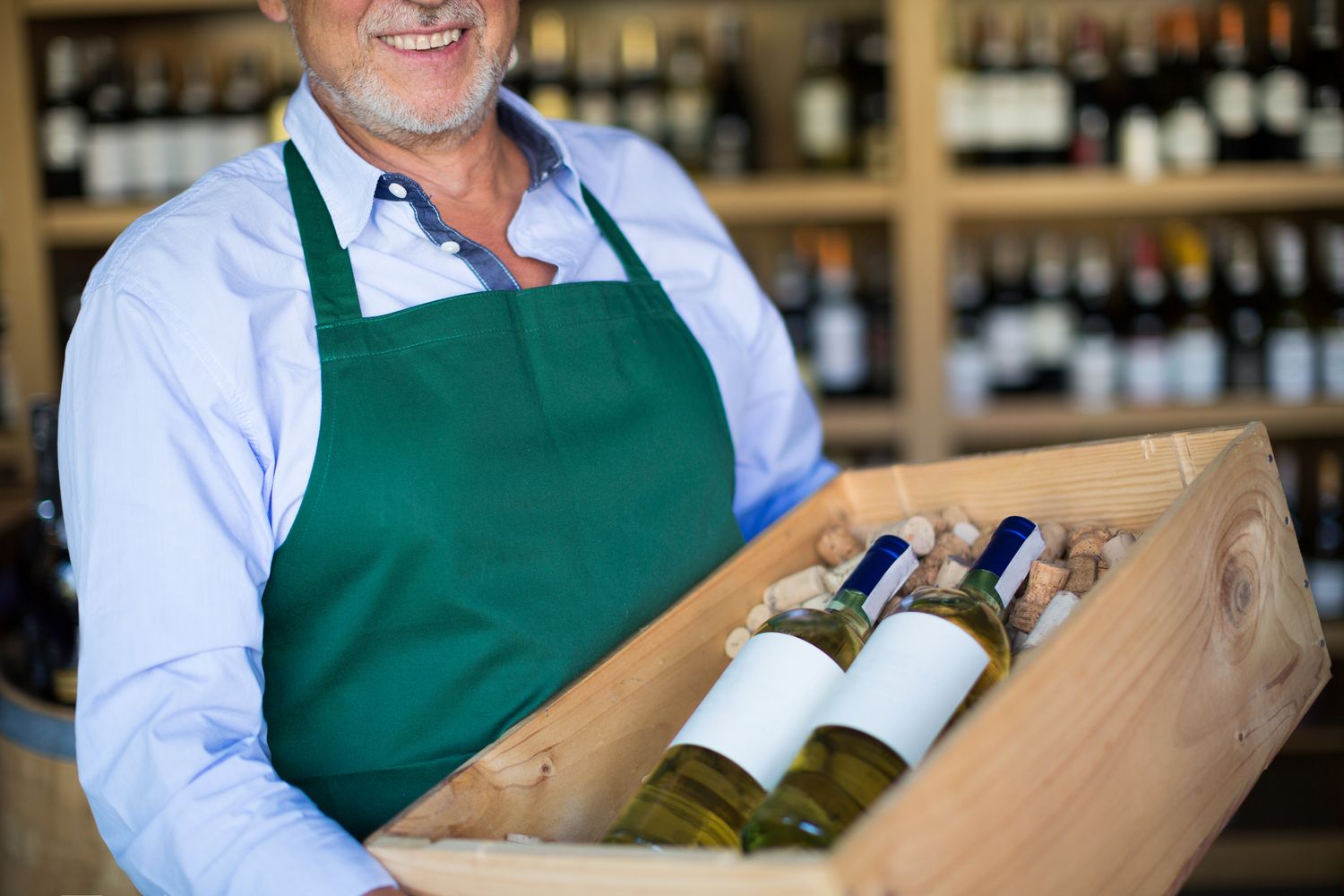 |
| The Key Elements That Define a High-Quality Fine Wine Shopping Experience |
Walking into a wine shop should feel a little like stepping into a story—one filled with discovery, curiosity, and a sense of anticipation. The best shops don’t just hand over a bottle; they help you understand why it matters. And in a world where choices are endless and trends shift constantly, knowing what defines a genuinely memorable wine-buying experience can make all the difference.
Here’s a closer look at the elements that elevate a wine shop from simply good to truly exceptional.
1. A Curated, Thoughtful Selection—Not Just a Big One
A common misconception is that the best wine shops are the ones stocked wall-to-wall with bottles. But the real magic often lies in curation, not volume.
A high-quality shop chooses wines with intention—labels that tell a story, varieties that offer a sense of place, and producers who care about their craft. You’ll notice a mix of familiar classics, smaller boutique wineries, seasonal gems, and maybe even a few bottles the staff can’t stop talking about.
Instead of relying on the “big brand” comfort zone, a curated selection invites you to explore. It gives shoppers confidence that anything they choose has already passed someone’s personal taste test.
2. Knowledgeable Staff Who Guide Without Overwhelming
Great wine professionals strike a rare balance—they know when to step in and when to step back. A memorable shopping experience often depends on staff who are informed but approachable, passionate yet patient.
They don’t recite tasting notes like a script. Instead, they ask about your preferences, your plans for the bottle, or what flavors you typically gravitate toward. Their recommendations feel more like a conversation than a sales pitch.
And if you’re unsure? They make experimenting feel exciting, not intimidating.
3. A Sense of Atmosphere That Sets the Tone
Atmosphere is one of those elements you can’t always define, but you instantly feel.
Lighting that’s warm but not dim, shelves that make browsing easy, displays that spark curiosity—these subtle details shape how comfortable and engaged you feel while shopping.
Quality wine shops often create a space where people naturally slow down. You linger, you scan the labels, you consider your options instead of rushing. It’s a kind of retail mindfulness that leaves a lasting impression.
4. Clear, Helpful Signage and Smart Organization
You shouldn’t need a map to find what you’re looking for.
A high-quality shop organizes its wines in a way that feels intuitive: regions, varietals, tasting style, or even mood-based categories like “crowd-pleasers,” “weeknight staples,” or “age-worthy finds.”
Little touches—tags with tasting notes, food pairing ideas, or background on the producer—turn browsing into learning. Even seasoned wine lovers appreciate shops that make decision-making a little easier.
5. Fair Pricing and Honest Value
A good wine store doesn’t push you toward the top shelf. It focuses on value at every price point.
Whether it’s a budget-friendly bottle for a casual dinner or a rare vintage for a milestone celebration, the best shops help you feel confident you’re getting your money’s worth. They’re transparent about why a bottle costs what it does and won’t upsell you “just because.”
Value isn’t about cheap vs. expensive—it’s about alignment between price and experience.
6. Opportunities to Taste and Learn
Tasting counters, weekend sampling events, and small group classes can transform shopping from transactional to experiential. These moments help customers discover wines they would never have chosen on their own.
Plus, tastings make wine feel approachable. They bridge the gap between curiosity and commitment, especially for those who are still building their palate.
A shop that invests in education—formal or informal—usually cares deeply about its community.
7. A Seamless Blend of Tradition and Modern Convenience
Today’s wine lovers expect more than beautiful shelves. They look for digital convenience: online browsing, mobile-friendly ordering, delivery options, and real-time stock visibility.
A high-quality fine wine store doesn’t abandon its old-world charm—it enhances it with modern efficiency. The ideal experience is one where someone can browse in person for inspiration and order online later without friction.
8. A Feeling of Community and Connection
The most unforgettable shops are those that feel like part of your routine.
They host events, remember your preferences, ask how you liked the last bottle, and celebrate local food or cultural moments. They often become gathering spaces—where people share discoveries, swap recommendations, and come back not just for the wine, but for the people.
Community isn’t something a shop can fake. It grows naturally from passion, consistency, and care.
Why These Elements Matter
Wine is deeply personal. The bottle you choose for a casual Wednesday dinner carries a different meaning from the one you select for a milestone celebration. A great wine shop understands this emotional dimension and designs the entire experience around it—making sure each customer walks out feeling satisfied, understood, and maybe even a little excited for their next visit.
If you’d like to explore this topic even further, you can also check out:
→ What Makes a Fine Wine Store Truly Exceptional?
Conclusion
A high-quality fine wine shopping experience isn’t built on flashy décor or endless shelves. It’s shaped by intention—curated selections, knowledgeable guidance, thoughtful presentation, and genuine warmth. When all these elements come together, buying wine feels less like a chore and more like a small, meaningful pleasure.


Comments
Post a Comment